The Evolution of Modern Beauty Standards
Unpacking the shift from airbrushed perfection to a new era of radical authenticity.
For decades, beauty was defined by strict, narrow ideals that favored exclusivity over expression. Today, we are witnessing a global renaissance where individuality and health take center stage, reshaping how we perceive ourselves and each other.
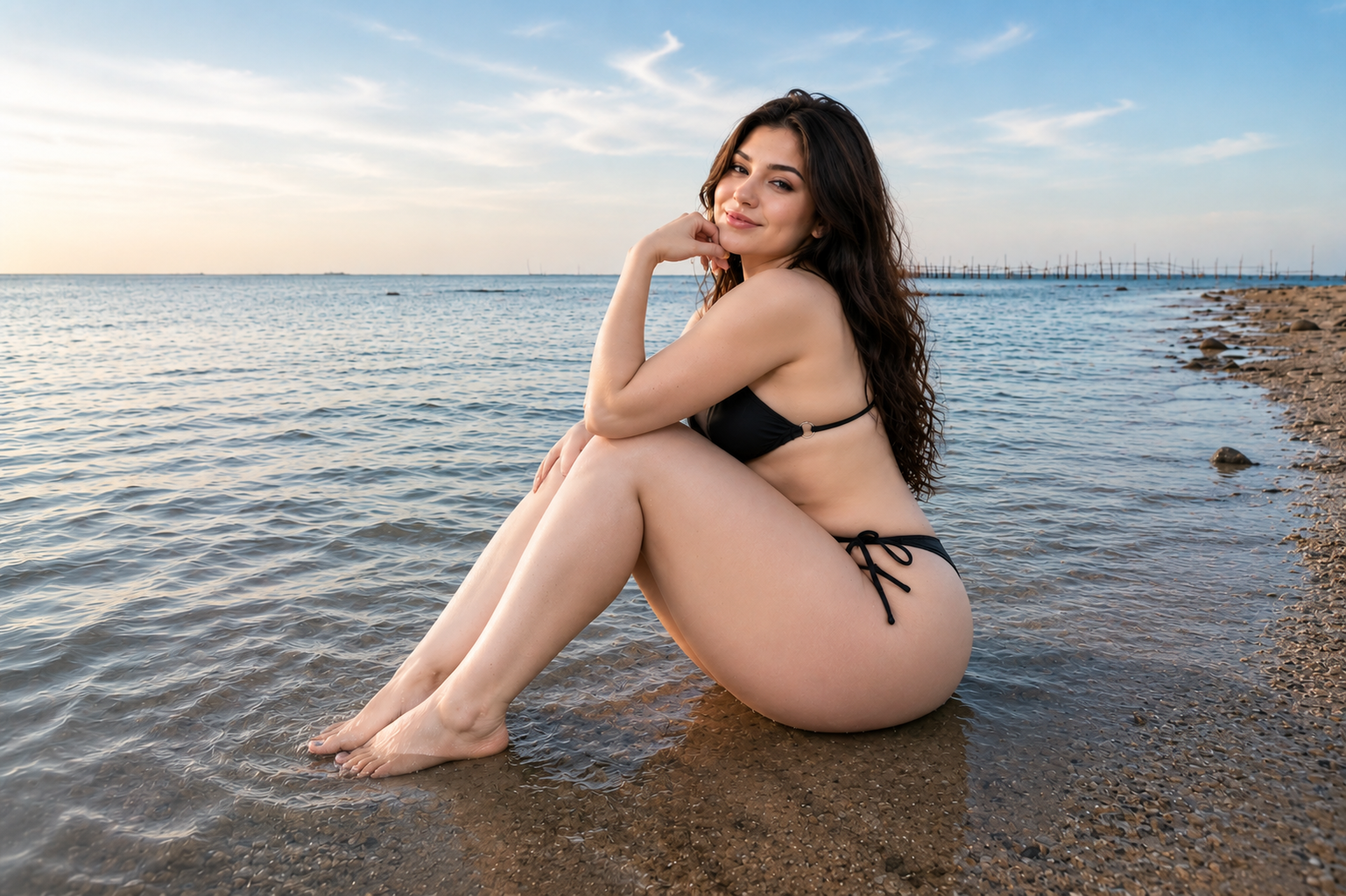
The Pendulum of Perceived Perfection
Beauty has never been a static concept. From the corseted silhouettes of the Victorian era to the athletic minimalism of the 1990s, the 'ideal' body and face have historically been used as markers of social status, health, and accessibility. However, for most of the 20th century, these standards were dictated by a few centralized voices: major fashion houses, film studios, and high-gloss magazines. The message was singular, narrow, and often unattainable.
In the modern landscape, we are experiencing a seismic shift. The rise of digital democratization has moved the needle away from top-down definitions of beauty toward a more horizontal, community-led aesthetic. We are no longer looking to a single icon; we are looking to each other.
The Digital Mirror and Social Influence
It is impossible to discuss modern beauty without acknowledging the role of social media. Initially, platforms like Instagram amplified the 'perfection' narrative through heavy filtering and the homogenization of features—a phenomenon often referred to as 'Instagram Face.' This look, characterized by high cheekbones, heavy fills, and poreless skin, represented a digital evolution of the traditional airbrush.
However, a counter-culture has emerged. Gen Z and millennial consumers are increasingly rejecting the curated veneer in favor of 'skinimalism' and raw texture. This resistance is less about a total rejection of cosmetics and more about a shift in intent. Makeup is being rebranded as a tool for creative self-expression rather than a mask to hide perceived flaws.
"Beauty today is no longer about fitting into a pre-cast mold; it is about the courage to break it and find elegance in the unique."
Inclusivity as the New Foundation
The most significant metric of progress in the beauty industry is the non-negotiable demand for inclusivity. What was once a 'niche' consideration has become the standard. This evolution is most visible in the shade range explosion within the cosmetics industry, spearheaded by brands that prioritized the underserved.
Representation Beyond the Binary
Modern standards are also expanding to include gender fluidity and age positivity. We are seeing a refreshing visibility for silver hair, visible fine lines, and the dismantling of the 'anti-aging' vocabulary. Instead, the industry is pivoting toward 'well-aging' and skin health, recognizing that life stages are to be celebrated rather than erased. Similarly, the bridge between masculine and feminine beauty is blurring, allowing for a more expansive palette of grooming and self-care that transcends traditional gender norms.
The Intersection of Wellness and Aesthetics
Perhaps the most profound change in our collective consciousness is the marriage of beauty and wellness. We have moved from a era of 'fixing' to an era of 'nourishing.' The modern beauty standard is increasingly defined by vitality—the glow that comes from hydration, sleep, mental clarity, and ethical consumption.
Consumers are now 'skintelligent,' prioritizing ingredients like ceramides, peptides, and botanical extracts over heavy coverage. This reflects a deeper psychological shift: we are prioritizing the self-care ritual over the external result. Beauty is becoming an internal dialogue—a moment of mindfulness in a chaotic world.
Sustainability and Ethical Allure
As we look forward, the aesthetics of the future are deeply tied to ethics. A product's beauty is no longer just about its finish on the skin; it is about its footprint on the planet. Clean beauty, 'blue' beauty (ocean-friendly), and cruelty-free certifications have become essential components of what we consider attractive. There is a newfound elegance in transparency and sustainability that a plastic-wrapped luxury product can no longer compete with.
Conclusion: The Future is Fluency
The evolution of beauty standards is ultimately a story of liberation. We are moving toward a world where 'standard' is a misnomer. The modern ideal is a moving target—one that values the freckle, the wrinkle, the stretch mark, and the unique cultural heritage of every individual. As we continue to redefine what it means to be beautiful, we find that the most enduring aesthetic is not one we can buy, but one we inhabit through confidence and radical self-acceptance. In this new era, the most beautiful thing you can be is yourself, unfiltered and unapologetic.
Preguntas Frecuentes
La idea principal de The Evolution of Modern Beauty Standards es ayudar al lector a entender el tema con claridad y aplicarlo con más intención. El artículo organiza los puntos más importantes para que la lectura sea útil, fácil de recordar y relevante dentro de beauty.